


Blog
HVAC 101: 10 AC Rules Every Southwest Florida Homeowner Needs to Know
Running an air conditioner in Southwest Florida is different from operating one almost anywhere else in the country. Local cooling systems regularly run for more than 3,000 hours each year while dealing with intense heat, humidity, and frequent summer storms.
This guide answers the questions Southwest Florida homeowners ask most about heating and cooling. Drawing on our decades of local experience across Lee, Collier, Charlotte, Manatee, and Sarasota counties, these answers explain how the coastal climate affects your HVAC equipment and what you can do to keep your system operating efficiently.
1. How long does an AC unit actually last in Southwest Florida?
Most air conditioners in Southwest Florida last about 10 to 15 years. Constant operation, humidity, and coastal salt air place more stress on equipment than systems in cooler climates.
Homes located near the Gulf frequently expose outdoor equipment to corrosive conditions that shorten component life. Annual maintenance helps identify wear before it develops into major repairs.
2. What temperature should I set my thermostat to during the summer?
A thermostat setting around 76°F provides a good balance between comfort and energy use for most homes. Lower settings increase runtime without always making the home feel more comfortable.
High indoor humidity creates the feeling that many homeowners try to solve by lowering the thermostat. This “overcooling” increases operating costs while placing additional wear on the cooling system.
3. Why are my indoor AC vents dripping water?
Sweating vents develop when warm, humid air contacts cold metal surfaces. High indoor humidity, poor insulation, or restricted airflow commonly contribute to the problem.
Dripping vents are frequently reported during the rainy season, where humidity remains high for extended periods and forces the system to work harder to remove moisture.
4. Do I really need a heater or heat pump in Southwest Florida?
Yes. Although winters are mild, cool mornings and occasional cold fronts make heating useful during parts of the year. A heat pump provides both cooling and efficient heating without requiring separate equipment.
Because heat pumps reverse the refrigeration cycle, they deliver comfortable indoor temperatures throughout the year while occupying the same space as a traditional air conditioner.
5. How often should residential air filters be changed in Florida?
Most homes benefit from replacing air filters every one to three months. Homes with pets, renovation projects, or higher occupancy may require more frequent replacement.
Clean filters improve airflow and reduce unnecessary strain on HVAC equipment that runs almost every single day in our climate.
6. Why does my AC drain line constantly get clogged with slime?
Florida's humidity allows moisture to remain inside the condensate drain line, creating the perfect environment for algae and biological growth to develop. Over time, this sludge restricts drainage and can trigger overflow shutoffs.
Routine maintenance includes inspecting and cleaning drain lines before blockages lead to water damage or interrupted cooling.
7. What is a SEER2 rating, and what score do I need in Florida?
A SEER2 rating measures the cooling efficiency of an air conditioning system under updated testing standards. As of 2026, higher SEER2 ratings generally deliver lower operating costs while meeting current federal efficiency requirements.
Choosing the right efficiency level depends on your home, budget, and cooling demands instead of just automatically selecting the highest available rating.
8. Can running a whole-home dehumidifier lower my electric bill?
Yes. Lower indoor humidity allows many homeowners to raise the thermostat while maintaining the same comfort level, reducing unnecessary air conditioner runtime.
Removing moisture directly also limits short-cycling during mild, humid weather when cooling systems satisfy the thermostat before removing enough humidity from the air.
9. Should I cover my outdoor AC condenser unit during a tropical storm?
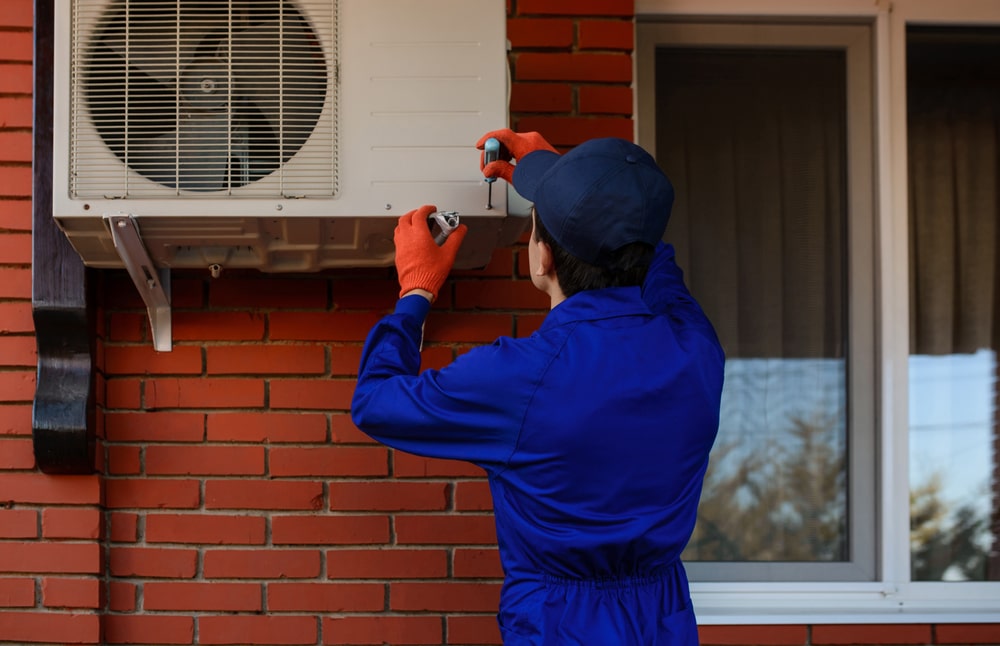
Temporary storm protection is appropriate when a hurricane or tropical storm is approaching, provided the cover is completely removed before operating the system again. The unit should never run while covered.
Outside of storm preparation, air conditioners are designed to remain outdoors uncovered throughout the year.
10. How often does a Southwest Florida AC system require professional maintenance?
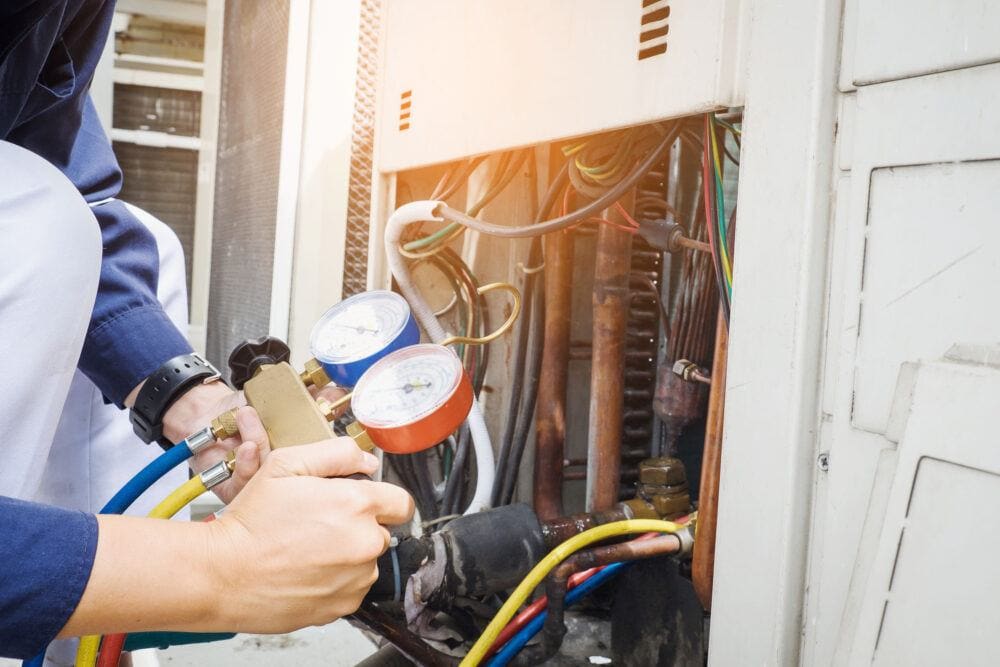
Most cooling systems should receive professional maintenance at least once each year. Many homeowners schedule service before the summer cooling season and again later in the year because of the area's extended runtime.
Regular inspections identify worn components, verify refrigerant performance, clean coils, and keep systems operating efficiently all year long.
Trust Your Home Comfort to Southwest Florida's Local Experts
Every home experiences different cooling demands based on its location, equipment, and daily use. Knowing how Southwest Florida's climate affects your HVAC system makes it easier to recognize problems early and plan for future maintenance or replacement.
Have a question that didn't make the list? Contact Gulf Shore Cooling today. From emergency repairs to complete system replacements, our team is ready to help.