



Blog
Why Is My AC Not Reaching the Set Temperature?

You've set your thermostat to 74 degrees, but your house is still sitting at 78. Your AC keeps running, and you're wondering why it isn't getting any cooler.
An AC not reaching the set temperature can have several causes, from a dirty filter or thermostat setting to frozen coils, refrigerant problems, leaky ducts, or too much heat entering your home. The thermostat itself isn't always the problem.
Is the Thermostat Reading Wrong or Is the House Not Cooling?
Your thermostat shows two temperatures: what you've set it to and what it's reading inside your house. If the room temperature stays higher than your setting, pay attention to what your AC is doing.
Does it run constantly? Shut off before reaching the setting? Or refuse to start?
Check your thermostat's cooling mode and schedule first. Some smart thermostats use separate room sensors, and direct sunlight can affect temperature readings.
If the settings look right but the controls aren't responding, Gulf Shore Cooling provides smart thermostat services to check the problem.
Common Reasons Your AC Cannot Reach the Setting
There are many possible reasons an AC isn’t operating as it should. From dirty filters to leaking ducts, use our chart for causes at a glance.
| Possible Cause | What You Notice | Next Step |
|---|---|---|
| Dirty filter | Weak airflow | Check filter |
| Thermostat settings | AC starts or stops unexpectedly | Review schedule |
| Dirty or frozen coils | Poor cooling or ice | Arrange service |
| Refrigerant or electrical problem | Warm air or repeated shutdowns | Schedule diagnosis |
| Leaky ducts | Some rooms stay warm | Check ductwork |
| High heat entering home | House warms during afternoon | Close shades and windows |
Airflow, Coil, and Refrigerant Problems
Your AC needs enough air moving through it to cool your house. A clogged filter or dirty coil makes that job harder.
If you notice weak airflow, ice on the equipment, or warm air coming from your vents, we need to check what's happening.
Refrigerant helps your AC move heat out of the house. It isn't used up during normal operation. If the level is low, a technician needs to check for leaks rather than keep adding refrigerant.
Duct Losses, Heat Gain, and System Sizing
Your AC might be producing cold air, but that doesn't mean all of it reaches your rooms. Damaged ducts can let cooled air escape into your attic or other spaces. Our duct repair work addresses those problems.
Afternoon sun, poor insulation, and air leaking around windows or doors add heat to your house. In Southwest Florida, that can make cooling harder during the hottest part of the day.
If your AC has struggled since installation, we'll look at the system's size and your home's cooling needs. A load calculation helps determine if the equipment is properly sized.
Safe Checks Before You Call
Before you reach out to the team at Gulf Shore Cooling, there are a few things you can check at home to address your home’s temperature.
- Check your thermostat. Make sure it's set to Cool and review any programmed schedule or room sensor.
- Look at your filter. Follow your equipment's instructions for checking or replacing it.
- Check your vents. Move furniture or other items blocking supply and return grilles.
- Close windows and doors. Keep outdoor heat from entering while your AC runs.
- Watch the temperature. Note when the gap starts and how long your AC runs.
Don't open equipment panels, handle wiring, or repeatedly reset breakers.
When to Turn Cooling Off and Get Help
If you see ice on your AC or water leaking around the indoor unit, turn off cooling at the thermostat if it's safe to reach. A loud new grinding or banging noise is another reason to stop using the equipment and call.
Smoke, sparks, or an immediate electrical hazard are different. Stay away from the equipment and call emergency services.
Changes in cooling time, airflow, or unusual sounds can be early signs of AC failure. Tell us what you've noticed when scheduling service.
How Gulf Shore Cooling Diagnoses the Problem
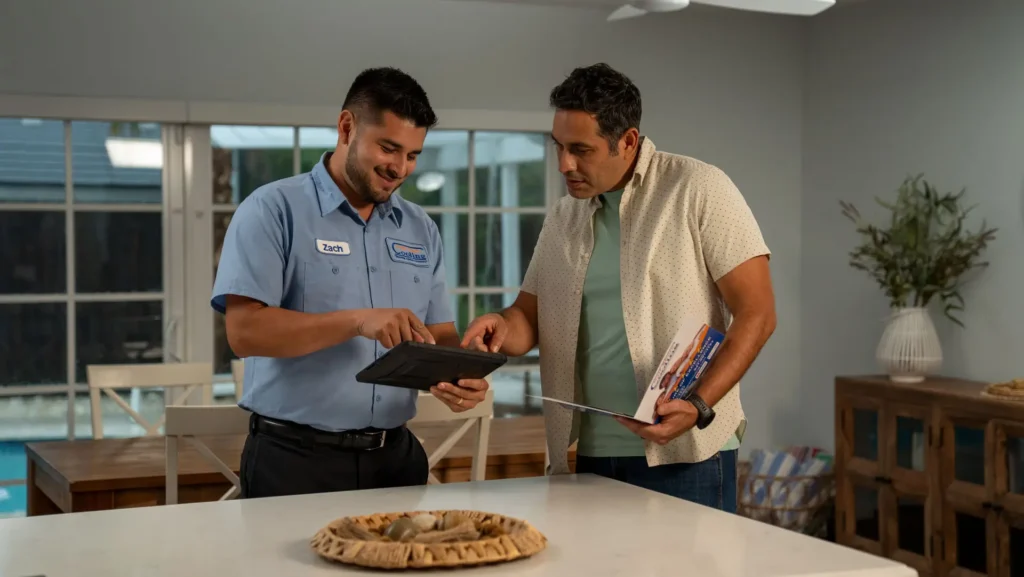
When we come out, we'll ask when your AC started having trouble and what you've noticed. Then we'll check the thermostat, airflow, cooling equipment, and electrical components.
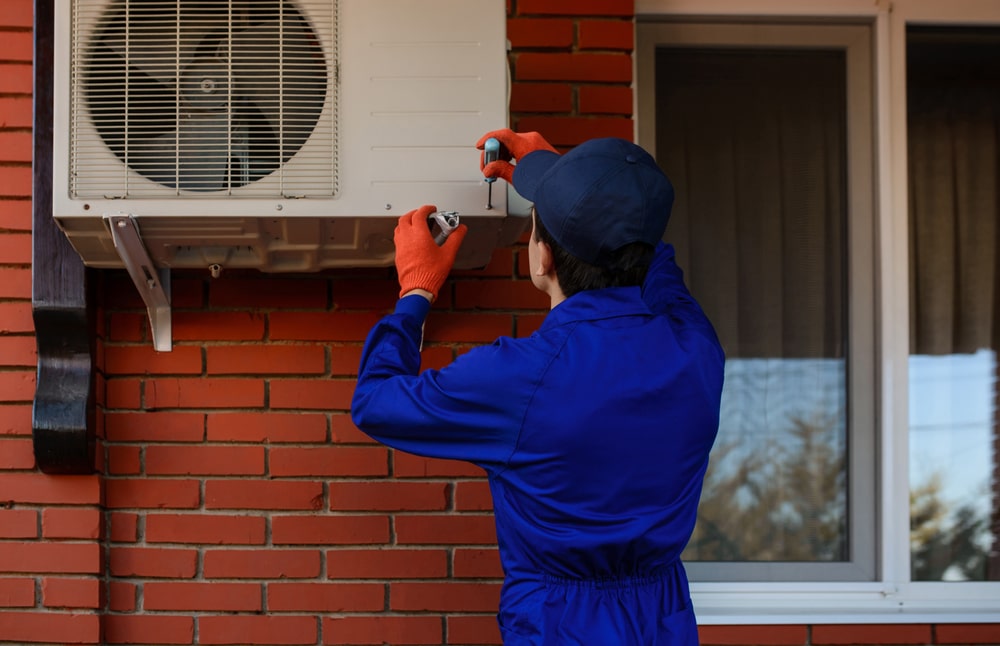
If the problem points toward refrigerant or ductwork, we'll test those areas. Our professional AC diagnosis and repair work covers these checks and the repairs your equipment needs.
We won't recommend replacing your AC simply because it can't reach the thermostat setting. Its condition, repair needs, and cooling capacity help us determine your options.
Support More Consistent Cooling
Regular AC maintenance helps keep filters, coils, drains, and electrical components checked. Between visits, keep vents clear and follow your equipment's filter instructions.
Closing blinds during sunny afternoons and understanding why open windows affect AC performance can help reduce the heat entering your house.
Humidity also affects how comfortable your home feels. If your rooms stay damp even when the AC cools properly, we can discuss humidity-control options.
If your AC still isn't reaching the thermostat setting after these checks, schedule a diagnostic visit with Gulf Shore Cooling.
Frequently Asked Questions
Your AC might have restricted airflow, dirty coils, a control problem, or trouble removing heat. Check basic settings and filters first.
No. Setting it lower doesn't increase your AC's cooling capacity. It simply tells the equipment to keep running longer.
That depends on outdoor temperatures, your home's insulation, equipment size, and how far the indoor temperature is from your setting.
Yes. Incorrect settings, faulty sensors, or control problems can affect when your AC starts and stops.
Not necessarily. Many cooling problems can be repaired. We'll check your equipment before discussing replacement.